Posts tagged with "brand trust"

31 posts

Pre-Filled, Not Pre-Judged: Ethical Personalization Patterns for Smarter Custom URLs
custom URLs
personalization

Pre-Filled, Not Pre-Judged: Ethical Personalization Patterns for Smarter Custom URLs

Custom URLs and pre-filled fields are one of the most underrated levers in form design. A single link can: Route someone to the right variant of a form Pre-fill what you already know (email, plan, campaign source) Shorten time-to-submit Quietly increase completion rates But there’s a thin line between helpful personalization and creepy profiling. When a form feels like it “knows too much,” people hesitate. When a URL feels like it’s steering them toward a decision they didn’t make, they bounce. For privacy-conscious users, this is especially true—something we explored in depth in Forms for Privacy-Conscious Users: Designing High-Trust Intakes When Your Audience Is Skeptica

Charlie Clark
Charlie Clark
Forms for Privacy-Conscious Users: Designing High-Trust Intakes When Your Audience Is Skeptical
customization
brand trust

Forms for Privacy-Conscious Users: Designing High-Trust Intakes When Your Audience Is Skeptical

Privacy-conscious users aren’t a niche anymore—they’re the default. Cisco’s 2024 Consumer Privacy Survey found that more than three-quarters of people say they won’t buy from organizations they don’t trust with their data. (cisco.com) Deloitte’s 2024 Connected Consumer research shows similar patterns: people reward companies that are transparent and give them real control over their data. (deloitte.com) If your product depends on forms—signups, onboarding, waitlists, feedback, applications—you’re asking people to hand over data at the exact moment their guard is up. That’s a design challenge, but it’s also a huge opportunity: a well-designed intake can be the moment someone decides you’re one of the good ones

Charlie Clark
Charlie Clark
Invisible Integrations: How to Connect Forms to Your Stack Without Breaking UX or Brand Trust
user experience
integration

Invisible Integrations: How to Connect Forms to Your Stack Without Breaking UX or Brand Trust

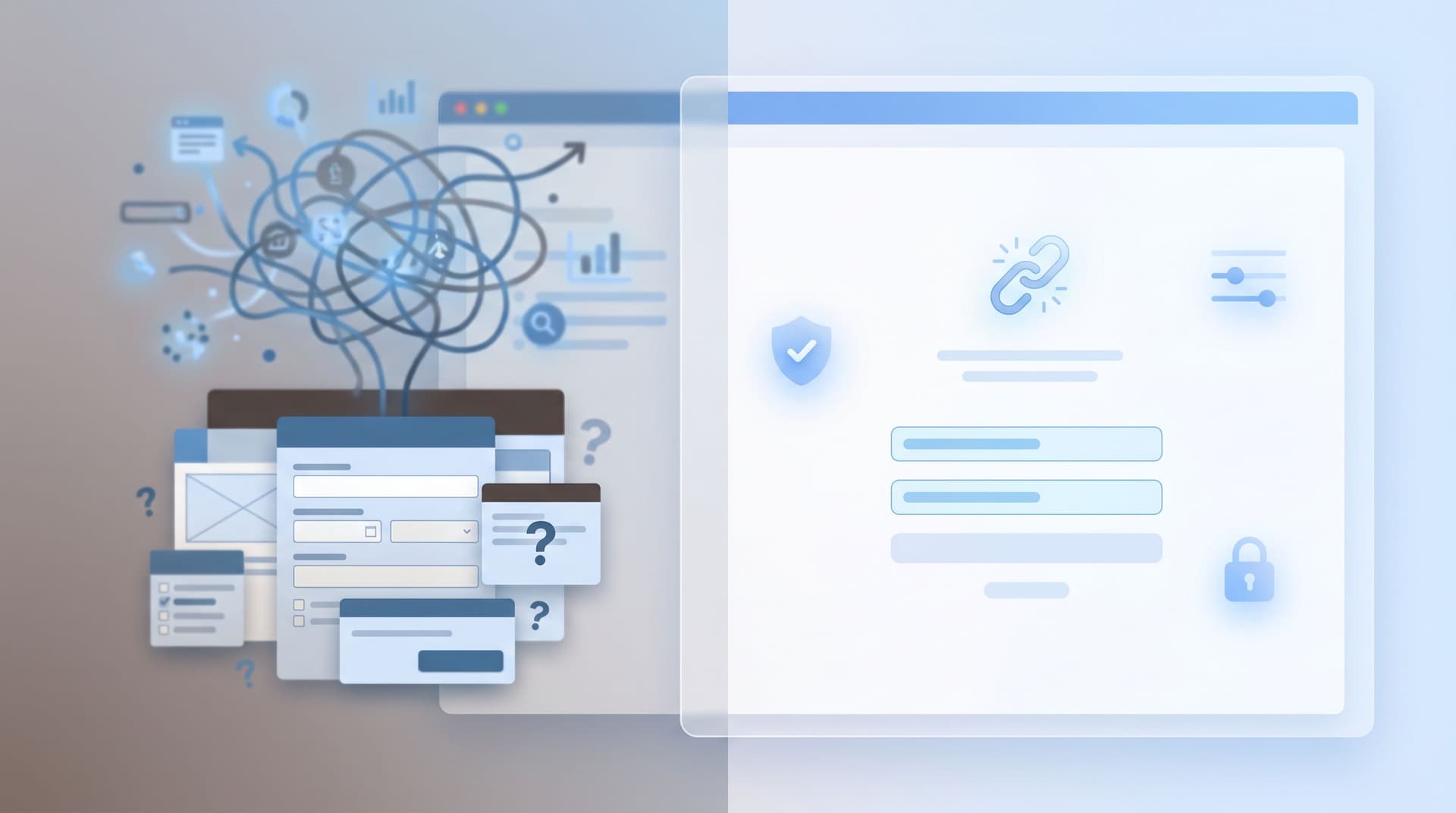
Most teams don’t lose users because the form fields are bad. They lose them in the layer underneath: the hidden integrations, scripts, redirects, and automations that make the form “work” for the business—but feel sketchy, slow, or confusing for the person filling it out. If you’ve ever started a form that suddenly: Flashes a different domain in the URL bar Loads three extra trackers and a cookie banner Pops a new tab to some unknown survey tool Freezes for a second after every field change …you’ve felt this problem from the user’s side. The irony: integrations are supposed to make your stack feel seamless. Instead, they often leak technical decisions into the experience—exactly where trust is most fragi

Charlie Clark
Charlie Clark
Forms in a Post-Cookie World: Building First-Party Data Strategies That Don’t Feel Like Surveillance
personalization
brand trust

Forms in a Post-Cookie World: Building First-Party Data Strategies That Don’t Feel Like Surveillance

Third‑party cookies were never exactly beloved—but they were convenient. For years, they quietly stitched together ad impressions, site visits, and conversions behind the scenes. Now, between browser changes, regulatory pressure, and user backlash, that era is effectively over. Even though Google has shifted and softened its timeline for fully killing third‑party cookies in Chrome, the direction is clear: opaque tracking is harder, riskier, and less acceptable than ever. Meanwhile, users are more privacy‑aware and more skeptical. Cisco’s 2024 Consumer Privacy Survey found that most consumers are taking concrete steps to protect their data, and they reward companies that are transparent and respectful about how information is use

Charlie Clark
Charlie Clark
Signals in the Theme: What Your Form Aesthetics Quietly Tell Users About Your Brand
themes
aesthetics

Signals in the Theme: What Your Form Aesthetics Quietly Tell Users About Your Brand

Forms don’t just collect data. They broadcast who you are. Before someone reads a single field label, your form has already made a promise: “This is the kind of company you’re dealing with.” The colors, spacing, typography, and micro-interactions all send signals about your competence, your values, and whether you’re worth trusting. For teams using Ezpa.ge, that’s not a side effect; it’s a lever. Themes, custom URLs, and responsive layouts give you control over those signals. The question is whether you’re using that control deliberately—or letting a default theme speak for your brand. This post is about reading and shaping those quiet messages, so every form you ship pulls your brand in the right directi

Charlie Clark
Charlie Clark
Forms as First-Party Data Engines: Designing Consent-Forward Flows for a Cookieless Future
future trends
brand trust

Forms as First-Party Data Engines: Designing Consent-Forward Flows for a Cookieless Future

Third-party cookies may be limping along longer than expected, but the direction of travel is clear: regulators, browsers, and users are all pushing toward more privacy, more transparency, and more control. That shift has a very practical consequence for growth, product, and ops teams: You can’t rely on opaque tracking to understand your customers anymore. You have to ask. Forms are where that happens. Done well, forms become first-party data engines: places where people voluntarily, knowingly, and usefully tell you who they are, what they want, and what they’re comfortable sharing. Done poorly, they become just another consent wall that people click through, ignore, or aba

Charlie Clark
Charlie Clark
Custom URLs as Brand Signals: How Link Structure Shapes Trust, Click-Through, and Conversion
custom URLs
brand trust

Custom URLs as Brand Signals: How Link Structure Shapes Trust, Click-Through, and Conversion

When someone hovers over a link, they’re making a snap judgment. Do I trust where this goes? Does this feel like the same brand I just saw in the ad or email? Is this worth a click right now? Your URL is answering those questions before your headline, your hero image, or your form copy gets a chance. For teams that live and die on form completion—demo requests, waitlists, intakes, applications—that makes custom URLs one of the highest‑leverage brand surfaces you probably aren’t treating as strategy. This post is about using custom URLs as deliberate brand signals: how they affect trust, click‑through, and conversion—and how to design them in a way that’s easy to maintain across campaigns, channels, and tea

Charlie Clark
Charlie Clark
Forms as Brand Safe Rooms: UX Patterns That Protect Sensitive Topics Without Feeling Clinical
brand trust
inclusivity

Forms as Brand Safe Rooms: UX Patterns That Protect Sensitive Topics Without Feeling Clinical

When someone hits your form to talk about money stress, burnout, harassment, health, or layoffs, they’re not just “converting.” They’re stepping into a vulnerable moment. Handled well, your form becomes a brand safe room: a space that feels private, grounded, and human—while still collecting the information your team needs. Handled poorly, it feels like a medical intake clipboard or, worse, a surveillance system. This post is about how to design forms that hold sensitive topics with care without turning your experience into a sterile questionnaire or a wall of legales

Charlie Clark
Charlie Clark
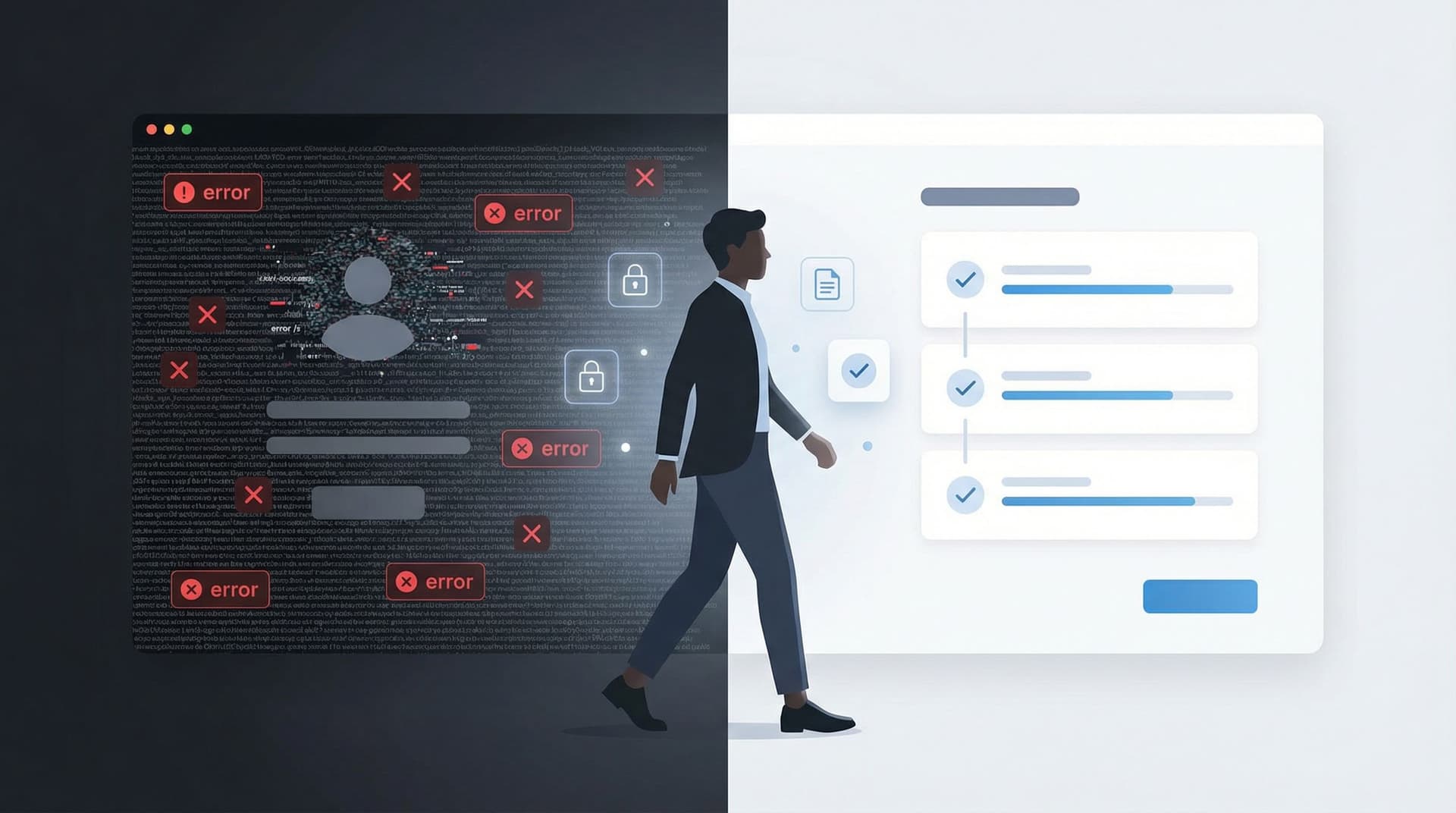
Brand-First Error States: Designing Form Failures That Still Build Trust
user experience
design

Brand-First Error States: Designing Form Failures That Still Build Trust

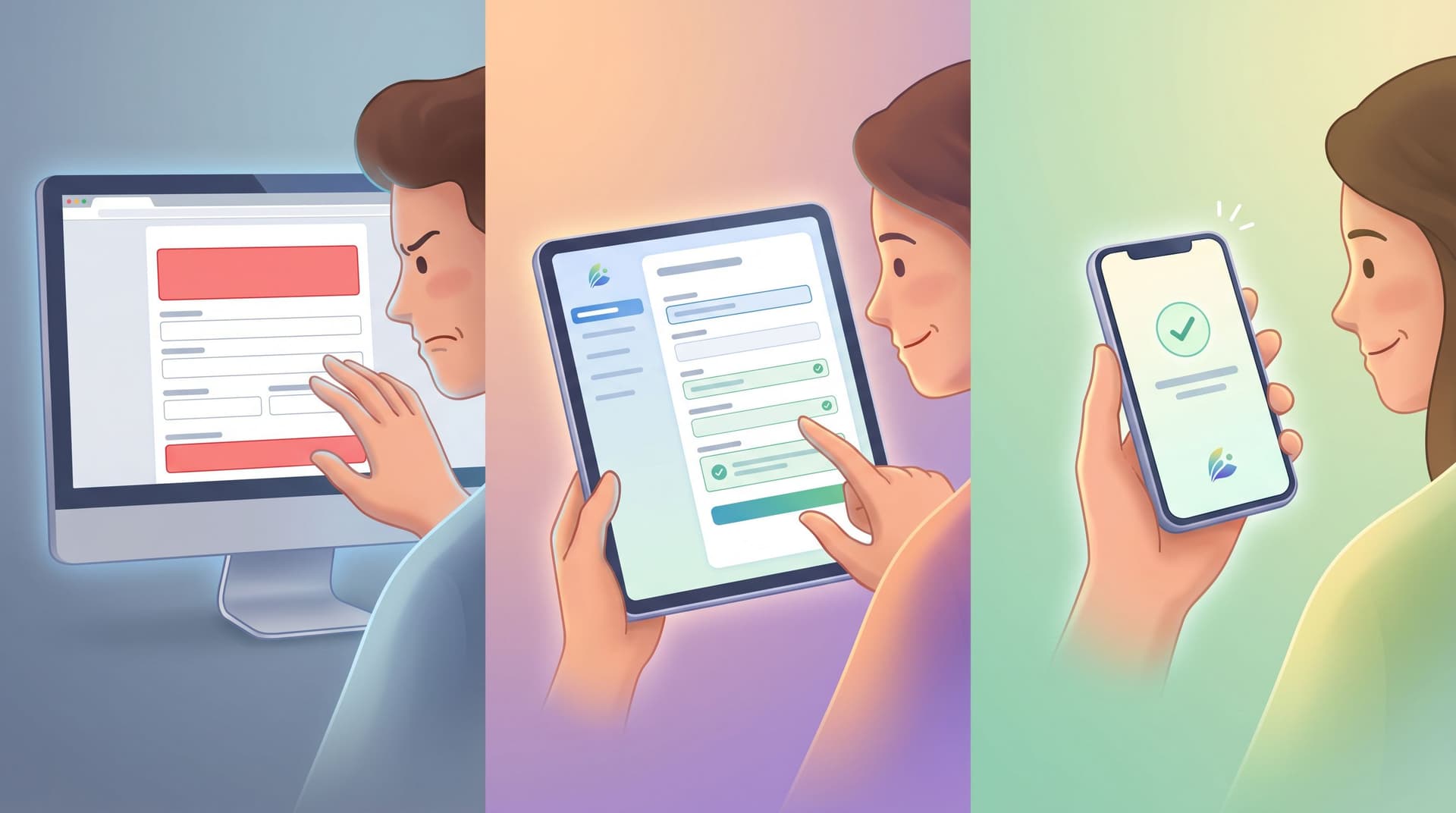
Most teams obsess over how their forms look when everything goes right. But the real test of your brand shows up when something goes wrong: a mistyped email, a declined card, a flaky network, a required field someone doesn’t understand. Those error states are not just UX details. They’re small, high-stakes moments where users decide: “Do I trust this product?” “Do these people know what they’re doing?” “Is it worth trying again?” Handled well, errors can increase completion rates, reduce support tickets, and leave users feeling more confident than if they’d breezed through on the first try. Handled poorly, they quietly wreck funnels you’ve spent months perfecti

Charlie Clark
Charlie Clark
AI Guardrails for Forms: Reducing Hallucinations and Bias in Auto-Generated Fields and Logic
AI
brand trust

AI Guardrails for Forms: Reducing Hallucinations and Bias in Auto-Generated Fields and Logic

AI is quietly moving into the core of form design. You’re using it (or considering it) to: Suggest new fields based on a form’s purpose Auto-generate validation rules and conditional logic Draft microcopy, helper text, and error messages Classify, score, and route submissions on the fly That’s powerful—but also risky

Charlie Clark
Charlie Clark
Trust at First Tap: Mobile Form Patterns That Make Users Comfortable Sharing Sensitive Data
mobile optimization
brand trust

Trust at First Tap: Mobile Form Patterns That Make Users Comfortable Sharing Sensitive Data

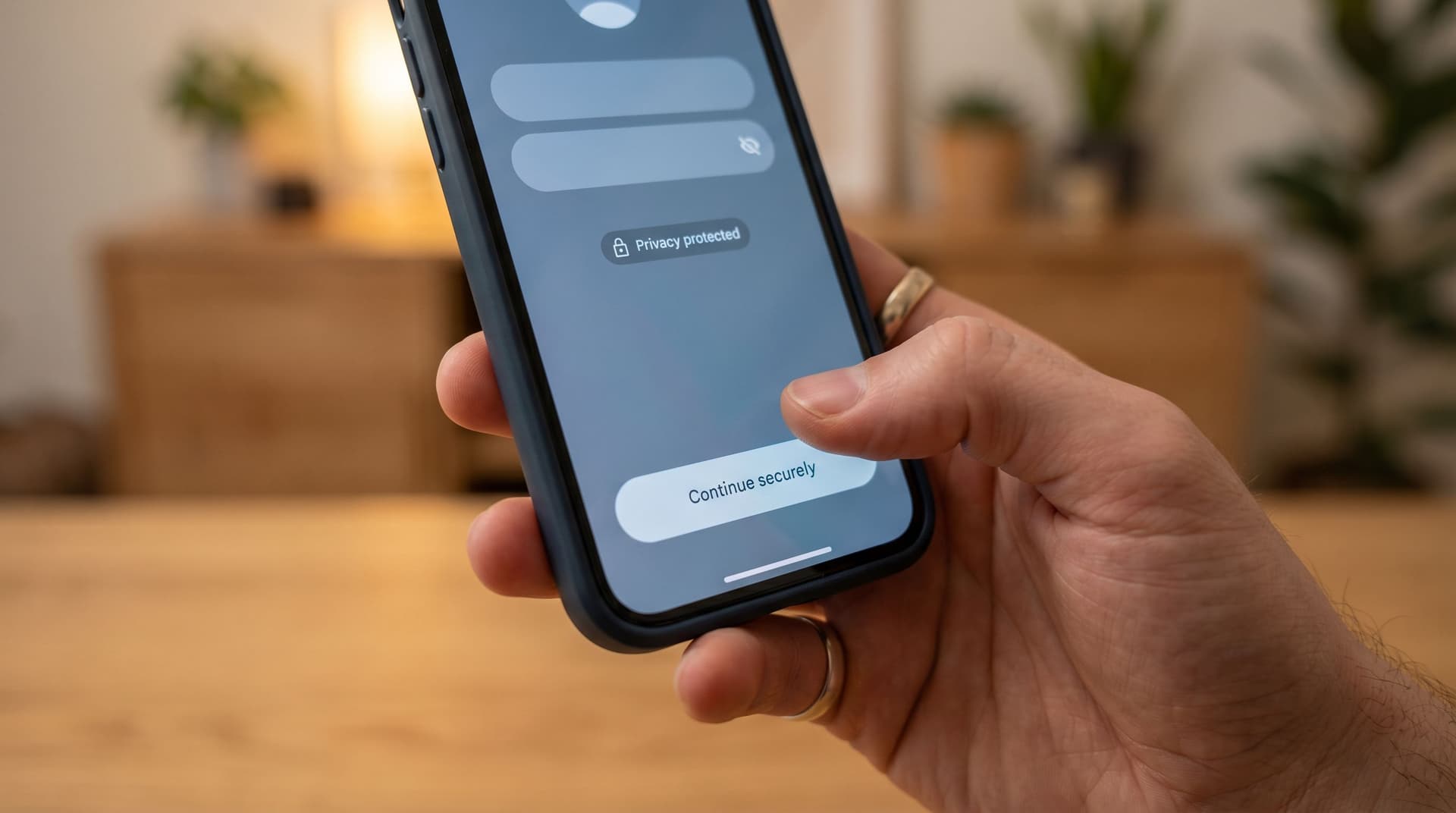
Every important relationship your product has with a customer passes through a form. Payment details. Health histories. Salary bands. Identity documents. Security questions. On mobile, that moment is even more fragile. Tiny screens, spotty connections, and a thumb hovering over the back button mean one thing: if people don’t feel safe immediately, they won’t share what you need. This post is about how to design mobile forms that earn trust at the very first tap—especially when you’re asking for sensitive data. We’ll look at the patterns, micro-interactions, and content choices that quietly tell users: “You’re in control here. Your data is s

Charlie Clark
Charlie Clark
Form Themes as Brand Labs: Rapidly Prototyping Positioning, Pricing, and Messaging Without Rebuilding Your Site
themes
customization

Form Themes as Brand Labs: Rapidly Prototyping Positioning, Pricing, and Messaging Without Rebuilding Your Site

Most teams wait for a full rebrand or a new website before they seriously test new positioning or pricing. By then, it’s usually too late. You’ve already: Spent weeks in Figma debating hero copy. Burned cycles on dev tickets and QA. Locked yourself into a direction that’s hard to unwind. Meanwhile, the only part of the experience that actually tells you whether a story works is the moment someone decides to raise their hand: the form. Tools like Ezpa.ge—where you can ship fully themed, responsive forms with custom URLs and real-time Google Sheets syncing—let you flip the script. Instead of treating forms as an afterthought, you can use form themes as live brand labs: Test new positioning without touching your homep

Charlie Clark
Charlie Clark
Theme-First Branding: Using Form Skins to Test Positioning Before You Redesign Your Site
themes
customization

Theme-First Branding: Using Form Skins to Test Positioning Before You Redesign Your Site

Most teams treat brand as a “big bang” project. New positioning? Time for a new homepage, new navigation, new illustration system, new everything. Six figures and six months later, you finally ship—only to realize that the bold new story doesn’t quite land with customers the way it did in the deck. There’s a calmer, smarter way to evolve your brand: test it at the form layer first. With tools like Ezpa.ge, where you can create fully themed, responsive forms with custom URLs and real-time Google Sheets syncing, you don’t have to bet the whole site on an unproven direction. You can: Wrap your existing flows in new visual themes. Pair each theme with slightly different positioning and microcopy. Ship those variants to real traff

Charlie Clark
Charlie Clark
Quiet Security: Subtle UX Patterns That Signal Safety Without Killing Conversion
user experience
brand trust

Quiet Security: Subtle UX Patterns That Signal Safety Without Killing Conversion

Most people don’t abandon a form because of one big red flag. They leave because of a feeling. A tiny moment of doubt: “Is this safe?” A flicker of friction: “Why do they need that?” A vague unease: “This looks… off.” Quiet security is about designing forms so those doubts never get a foothold—without turning the experience into a wall of warnings, legalese, and scary security jargon. For teams using tools like Ezpa.ge to spin up forms quickly, this balance is cruci

Charlie Clark
Charlie Clark
Security Signals in 3 Seconds: Visual and Copy Patterns That Earn User Trust Before the First Field
user experience
brand trust

Security Signals in 3 Seconds: Visual and Copy Patterns That Earn User Trust Before the First Field

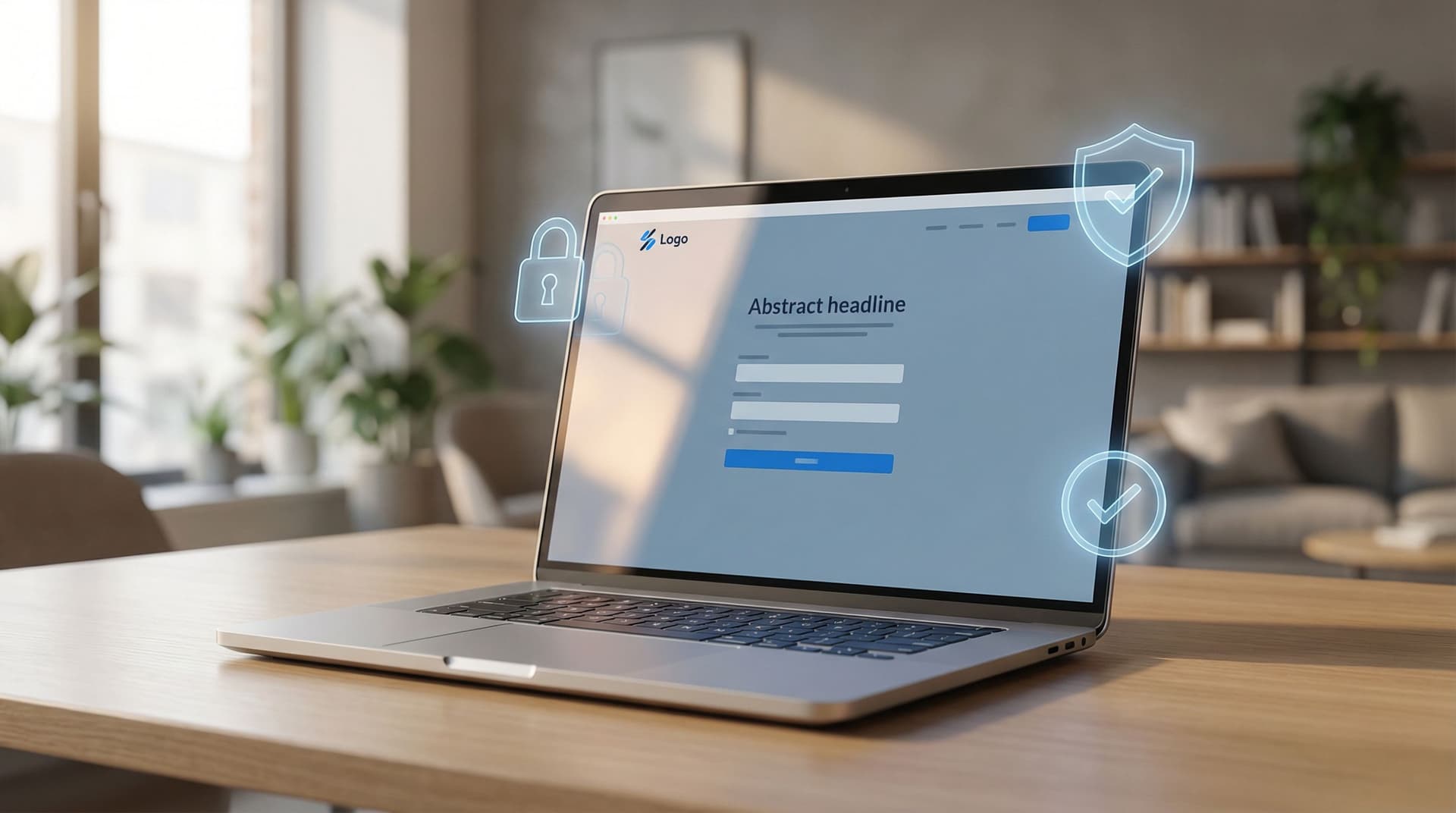
Your form has about three seconds to answer one question in a user’s mind: “Is it safe to give you my information?” If the answer feels even slightly like “I’m not sure,” people bounce. They don’t scroll. They don’t start the first field. They just close the tab and move on. Those first three seconds are governed by signals, not logic. Users aren’t reading your privacy policy or inspecting your DNS records. They’re scanning for visual and copy cues that say: This is legitimate. This is professional. This is safe enough for what I’m about to share

Charlie Clark
Charlie Clark

The Form-Led Rebrand: How Themes, Copy, and Custom URLs Signal a New Product Story

Most teams think of a rebrand as a new logo, a fresh color palette, and maybe a big launch day. But if you look at how people actually experience your product, the story starts somewhere much smaller—and much closer to intent: Your forms. Signup forms. Waitlist forms. Demo requests. Feedback flows. These are the moments where someone is raising their hand and saying, “I’m interested.” If your rebrand doesn’t show up there, it doesn’t really exist. A form-led rebrand is about using three levers you already control—themes, copy, and custom URLs—to tell a sharper product story long before you redesign every page or rebuild every fl

Charlie Clark
Charlie Clark
Security Without Paranoia: Low-Friction Patterns for Collecting Sensitive Data in Forms
user experience
brand trust

Security Without Paranoia: Low-Friction Patterns for Collecting Sensitive Data in Forms

Security Without Paranoia: Low-Friction Patterns for Collecting Sensitive Data in Forms Collecting sensitive data is a trust exercise. Credit card details, government IDs, health history, salary information—these aren’t just “fields.” They’re moments where a person decides whether your form (and by extension, your brand) is worth the risk. The tension: Security and compliance teams want strong controls, explicit consent, and airtight logs. Growth and product teams want short forms, high completion rates, and smooth flows. Users want to get something done quickly without feeling like they’re stepping into a legal contract or a phishing attempt. This post is about operating in that middle space: security without parano

Charlie Clark
Charlie Clark
High-Stakes, Low Friction: Designing Verification and Consent Flows That Users Actually Finish
user experience
brand trust

High-Stakes, Low Friction: Designing Verification and Consent Flows That Users Actually Finish

When your form is asking for real commitment—identity verification, financial authorization, medical consent, legal agreements—the bar changes. People are no longer casually “signing up.” They’re: Sharing sensitive data Accepting risk (real or perceived) Trying not to make a mistake they’ll regret That’s the paradox of high‑stakes flows: You need rigor (clear consent, accurate verification, auditability). Users need ease (clarity, confidence, and speed). If you lean too hard into rigor, you get abandonment. If you lean too hard into ease, you get compliance problems, bad data, or angry stakeholder

Charlie Clark
Charlie Clark
Form UX for High-Stakes Data: Designing Calm, Trustworthy Experiences for Payments, Healthcare, and Hiring
brand trust
security

Form UX for High-Stakes Data: Designing Calm, Trustworthy Experiences for Payments, Healthcare, and Hiring

When a form asks for something trivial—like a newsletter signup—users might tolerate a bit of friction. When a form asks for credit cards, medical history, or employment details, the stakes change completely. People bring fear, skepticism, and a mental checklist of “Is this safe?” to every field. A single rough edge—an odd error message, a misaligned label, a sketchy URL—can be enough for them to close the tab and never come back. Designing forms for these high‑stakes moments isn’t just about conversi

Charlie Clark
Charlie Clark
Branded in a Click: Building URL Naming Systems That Scale Across Hundreds of Forms
efficiency
custom URLs

Branded in a Click: Building URL Naming Systems That Scale Across Hundreds of Forms

Custom URLs feel small—until you have a hundred forms, three teams, and no idea which link is which. If you’ve ever: Slapped -final or -new on the end of a form URL Sent the wrong link to a partner or customer Duplicated a form and forgotten which version is live …you’ve felt the pain of not having a URL naming system. For a handful of forms, you can get away with chaos. But once you’re managing dozens or hundreds of forms across campaigns, products, and regions, your URLs are your infrastructur

Charlie Clark
Charlie Clark
Error States that Convert: Turning Validation Messages into Micro-Moments of Trust
user experience
brand trust

Error States that Convert: Turning Validation Messages into Micro-Moments of Trust

If you want higher completion rates, you probably think about layouts, incentives, and button copy. But there’s a quieter conversion lever hiding in plain sight: Your error states. Every time a field turns red or a validation message appears, you’re standing at a crossroads: Either you confirm the user’s fear that “this is going to be annoying,” and they bail. Or you create a tiny moment of clarity, competence, and care—and they lean in. This post is about designing error states that convert: messages, visuals, and interactions that turn friction into trust, and trust into completions. Why Error States Matter More Than You Think Error handling is usually treated as a technical requirement or an accessibility check

Charlie Clark
Charlie Clark
Theme Systems, Not One-Off Skins: Building a Reusable Design Language for Your Forms
themes
aesthetics

Theme Systems, Not One-Off Skins: Building a Reusable Design Language for Your Forms

Theme Systems, Not One-Off Skins: Building a Reusable Design Language for Your Forms Forms are often treated like disposable flyers: spin up a quick layout, pick a trendy color, ship it, forget it. That works—until you have: A dozen active campaigns Multiple teams spinning up their own forms Stakeholders asking, “Why does this signup look nothing like that survey?” At that point, one-off “skins” stop scaling. You don’t need another pretty form; you need a theme system—a reusable design language that keeps every form on-brand, accessible, and easy to maintain. Ezpa.ge was built with this mindset in mind: themes, custom URLs, and real-time Google Sheets syncing are all more powerful when they sit on top of a thoughtful, reusable syste

Charlie Clark
Charlie Clark
Custom URLs in 2024: Pioneering New Strategies for Engagement and Branding
custom URLs
brand trust

Custom URLs in 2024: Pioneering New Strategies for Engagement and Branding

As we navigate the ever-evolving terrain of online engagement, the tools we use to connect with our audience must adapt and innovate. One such tool that has seen a resurgence in both utility and creativity is the custom URL. Once merely a means to direct traffic, custom URLs have transformed into powerful instruments of branding and engagement. This article delves into the significance of custom URLs and explores pioneering strategies for leveraging them in 2024. Why Custom URLs Matter Custom URLs are more than just a string of characters leading to a webpage; they are a reflection of your brand's identity and a strategic asset for user engagement

Charlie Clark
Charlie Clark
Building Trust through Secure Form Custom URLs: Best Practices
custom URLs
brand trust

Building Trust through Secure Form Custom URLs: Best Practices

In our increasingly connected environment, where data privacy and security concerns are at the forefront of users' minds, building trust with your audience is more critical than ever. One often overlooked aspect of this trust-building process is the use of secure form custom URLs. At Ezpa.ge, we recognize the importance of creating forms that not only look stunning but are also secure and reliable. Let's delve into why secure custom URLs matter and explore best practices to enhance trust and confidence with your audience. Why Secure Form Custom URLs Matter When users interact with online forms, they are entrusting you with their personal information

Charlie Clark
Charlie Clark
Custom Themes in Action: Building Brand Identity Through Form Design
themes
aesthetics

Custom Themes in Action: Building Brand Identity Through Form Design

In the realm of online interaction, the humble form serves as a critical touchpoint between your brand and its audience. Whether you're a small business owner collecting customer feedback or a large enterprise managing event registrations, forms are an integral part of how you engage with your audience. But, have you ever considered how the design of these forms can significantly impact your brand identity? This is where custom themes come into play, allowing you to create a seamless and memorable experience for your users. The Importance of Brand Identity in Form Design Brand identity is the cohesive visual representation of your brand's values, mission, and personality

Charlie Clark
Charlie Clark
Custom URLs as Branding Assets: Transforming Form Interaction Through Innovation
custom URLs
brand trust

Custom URLs as Branding Assets: Transforming Form Interaction Through Innovation

In an era where online presence defines brand identity, every touchpoint matters. Whether it’s a website, social media handle, or a simple form, the way you present your brand to the world speaks volumes. Among these elements, the humble form URL often gets overlooked. However, by transforming your form's URL into a branding asset, you can significantly enhance your brand's visibility and engagement. This post delves into the power of custom URLs and how they can act as a catalyst for innovation in form interaction. The Importance of Custom URLs Why should you care about custom URLs? The answer lies in the control and branding power they offer

Charlie Clark
Charlie Clark
Enhancing Form Security: Best Practices for Custom URL Integrity
custom URLs
brand trust

Enhancing Form Security: Best Practices for Custom URL Integrity

Creating beautiful, functional forms is a key part of many online interactions, from gathering feedback to capturing lead information. But amidst all the design and functionality considerations, security remains paramount. When you’re crafting forms with custom URLs, ensuring their integrity is crucial to protect sensitive data and maintain user trust. Let’s explore why this topic is critical for anyone using forms and how you can implement best practices to secure your forms. Why URL Integrity Matters Custom URLs are more than just a branding tool. They're a gateway to your forms and, by extension, to the data users entrust to you

Charlie Clark
Charlie Clark
Custom URL Strategies: Enhancing Digital Marketing through Form Innovation
custom URLs
brand trust

Custom URL Strategies: Enhancing Digital Marketing through Form Innovation

In the ever-evolving realm of digital marketing, standing out requires more than just eye-catching designs and persuasive copy. As marketers strive to create meaningful connections with their audiences, every detail counts—including the URLs directing users to their content. Custom URLs, particularly for forms, are revolutionizing how businesses interact with their audience, optimizing both user experience and brand recognition. This article delves into the significance of custom URLs and how they can be leveraged to enhance your marketing strategy through innovative forms.

Charlie Clark
Charlie Clark
Revolutionizing Brand Identity: Custom URL Strategies for Modern Marketing
custom URLs
brand trust

Revolutionizing Brand Identity: Custom URL Strategies for Modern Marketing

In a world where brand identity is more crucial than ever, businesses are constantly seeking innovative ways to stand out in the crowded marketplace. One of the most underrated tools in modern marketing is the custom URL. This simple, yet powerful strategy can significantly enhance a brand's image, improve customer engagement, and drive conversions. In this post, we’ll delve into why custom URLs matter and how they can be leveraged effectively. Why Custom URLs Matter Custom URLs are more than just a digital address; they are an extension of your brand. A thoughtfully crafted URL can communicate your brand's message, enhance its visibility, and create a consistent experience across all platforms

Charlie Clark
Charlie Clark
Custom URL Strategies: Transforming Form Branding and Accessibility
custom URLs
integration

Custom URL Strategies: Transforming Form Branding and Accessibility

In a world where first impressions are often made online, the details matter. When it comes to online forms, a customized URL can be a powerful tool to enhance branding, improve accessibility, and build trust with your audience. As online interactions continue to grow, understanding how to leverage custom URLs can make your forms stand out and engage your audience more effectively. Why Custom URLs Matter Custom URLs are more than just a cosmetic change. They are a strategic element of your online presence. A well-crafted URL can: Enhance Brand Recognition: A URL that includes your brand or a relevant keyword can make your form instantly recognizable

Charlie Clark
Charlie Clark
Exploring the Role of Custom URLs in Building Brand Trust
custom URLs
brand trust

Exploring the Role of Custom URLs in Building Brand Trust

In an era where consumers are more informed than ever and have access to a plethora of options, building brand trust is crucial for any business striving to stand out. Trust is the currency of the modern market, and one often overlooked yet powerful way to foster this trust is through the use of custom URLs. This seemingly small detail can significantly impact how your audience perceives your brand. Why Custom URLs Matter Custom URLs play a pivotal role in creating a cohesive brand identity. They not only contribute to a seamless online experience but also instill a sense of professionalism and credibility

Charlie Clark
Charlie Clark