Posts tagged with "custom URLs"

41 posts

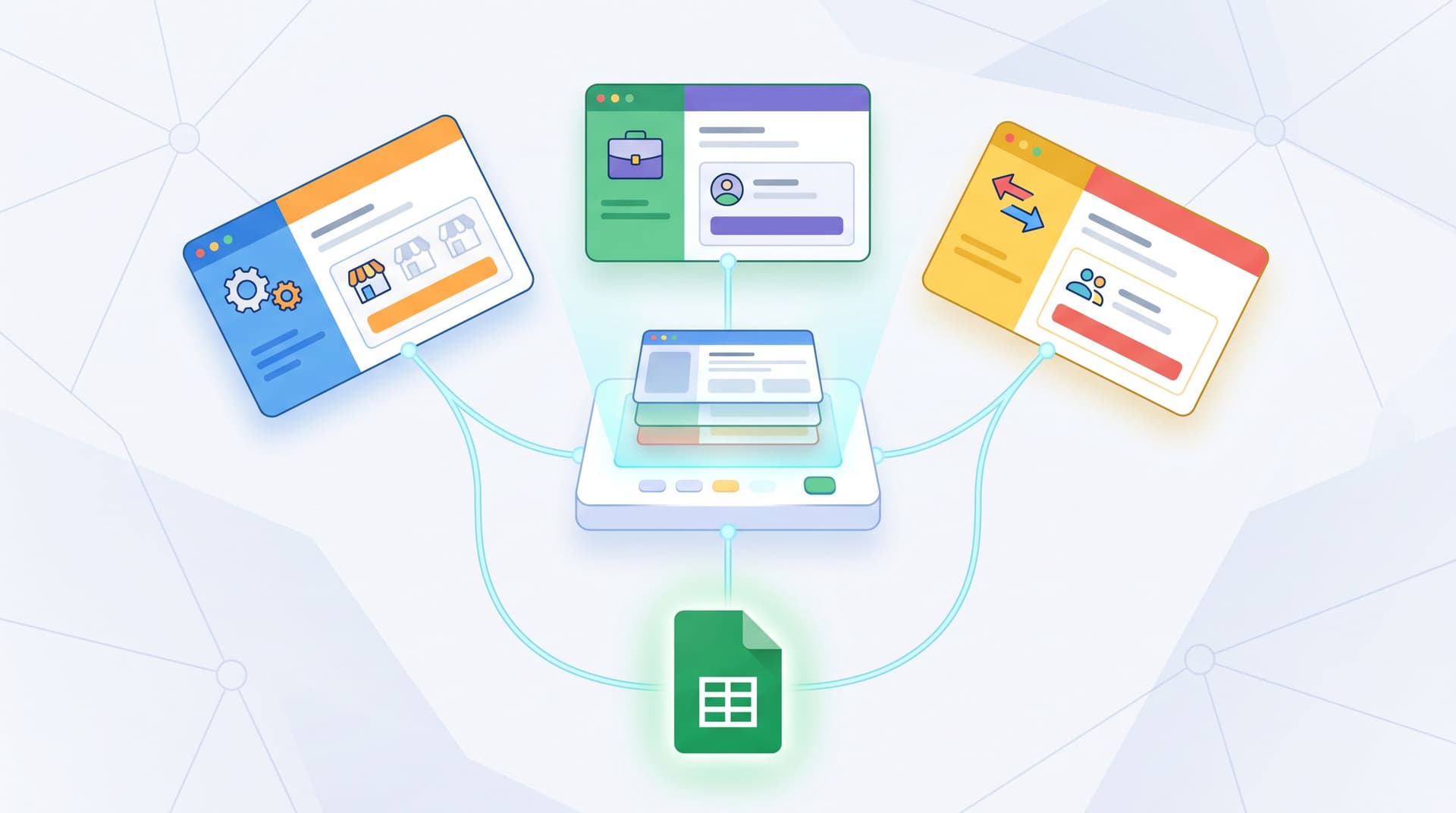
Ops-Ready Form Experiments: Shipping New Intakes, URLs, and Logic in a Single Afternoon
custom URLs
Google Sheets

Ops-Ready Form Experiments: Shipping New Intakes, URLs, and Logic in a Single Afternoon

Operations teams don’t lack ideas. They lack safe, fast ways to test those ideas without blowing up reporting, brand, or downstream workflows. A new partner intake. A VIP support lane. A candidate fast-track. A fresh campaign angle you’d love to trial before asking product or engineering for anything. All of those can start as form experiments—if your forms are actually ops-ready. This post is about how to treat forms as an experimentation surface you can ship on in a single afternoon: new intakes, new URLs, new logic, all wired into the same operational backbone. We’ll focus on Ezpa.ge, but the principles apply broadly. Why Form Experiments Belong to Ops Most teams already run experim

Charlie Clark
Charlie Clark
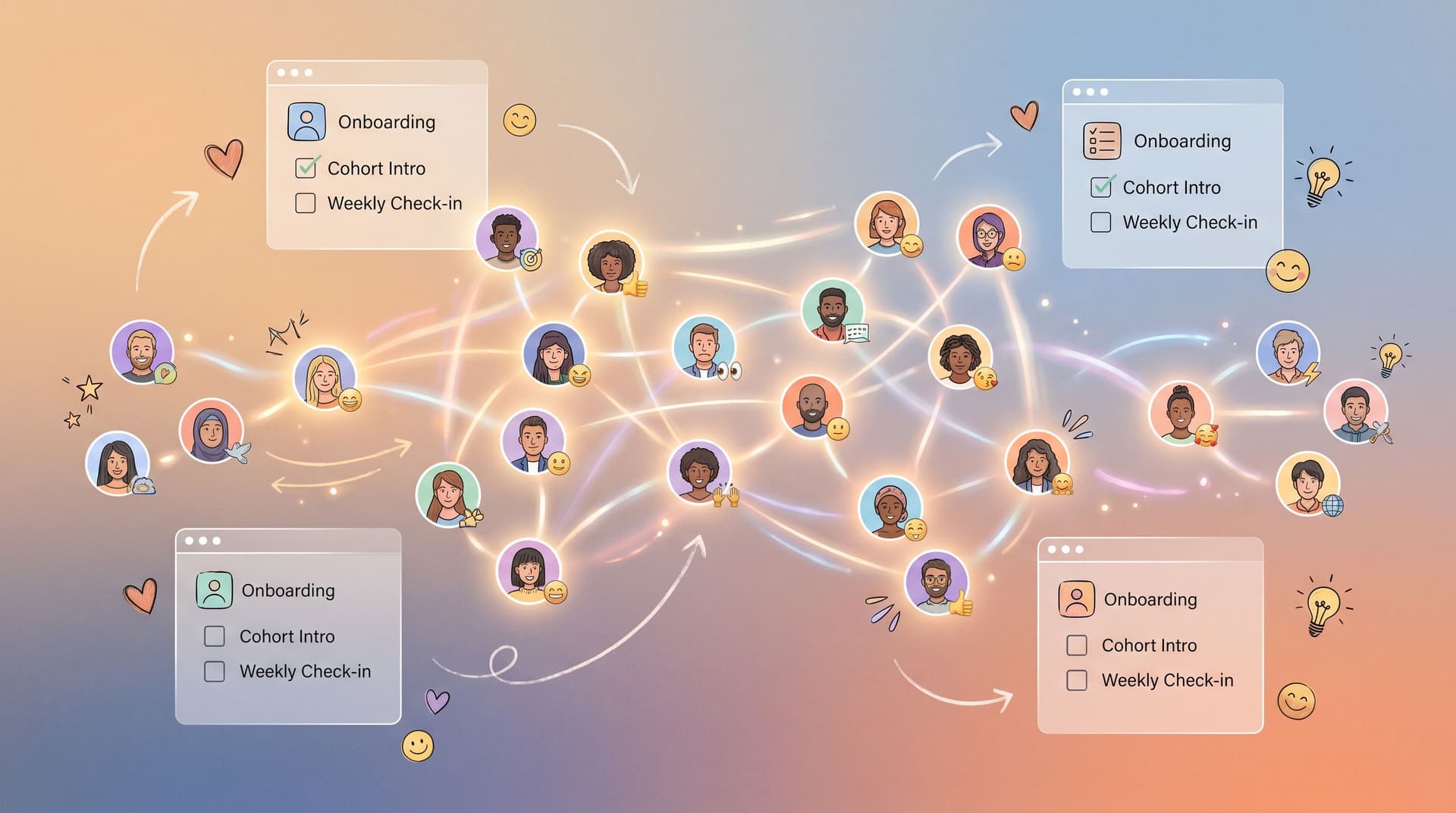
Forms as Microsites: Replacing One-Off Landing Pages with Theme-Driven Flows
themes
customization

Forms as Microsites: Replacing One-Off Landing Pages with Theme-Driven Flows

Marketing and ops teams are quietly running an experiment right now, whether they realize it or not: What happens if the form is the page? Instead of spinning up a new one‑off landing page for every campaign, event, or offer, more teams are moving to form‑as‑microsite flows: fully themed, multi‑step forms with custom URLs, embedded storytelling, and just enough navigation to feel like a tiny site. Tools like Ezpa.ge make this shift practical. You can create responsive, branded forms, give each a clean URL, and sync everything straight into Google Sheets—without waiting on a designer or developer. This isn’t just a design preference. It’s a structural change in how you ship campaigns, capture intent, and run operat

Charlie Clark
Charlie Clark
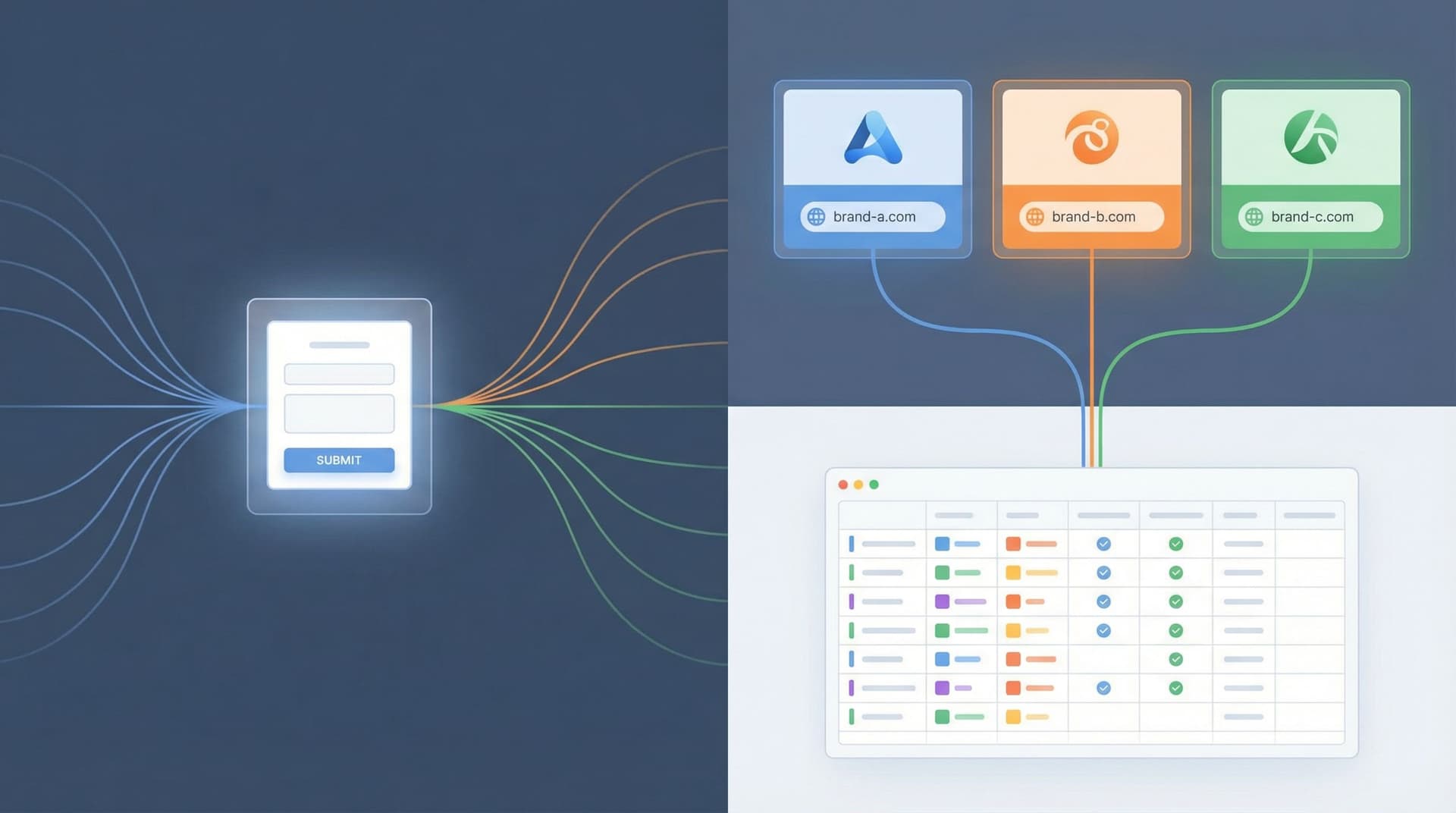
Brand-Consistent Forms at Scale: Governance Rules for Themes, URLs, and Copy
themes
custom URLs

Brand-Consistent Forms at Scale: Governance Rules for Themes, URLs, and Copy

Brand isn’t just your homepage and pitch deck. It’s every touchpoint where someone decides whether to trust you. Forms are one of those touchpoints—and often the first one a prospect, candidate, or partner actually uses. When you only have a few forms, it’s easy enough to keep them on-brand with a quick designer review. But once you’re running dozens or hundreds of forms across teams, regions, and campaigns, consistency starts to fray: Marketing spins up a one-off theme for a webinar. Sales creates a “quick” intake form with a rogue logo. Support clones an old form and forgets to update the disclaimer. Suddenly, your brand looks different depending on which link someone clicke

Charlie Clark
Charlie Clark
Forms as Lightweight CRMs for Agencies: Managing Clients, Briefs, and Approvals Without New Software
custom URLs
real-time collaboration

Forms as Lightweight CRMs for Agencies: Managing Clients, Briefs, and Approvals Without New Software

If you run an agency, you already know the pattern: Client signs. Someone DMs a designer for a brief. A strategist spins up a Notion doc. Approvals live in email, Slack, and a rogue WhatsApp thread. By the time you’re presenting work, no one is quite sure which version of the brief is final, what the client actually approved, or where that one crucial detail about budget came from. You don’t have a strategy problem. You have a systems problem. The good news: you don’t need a heavyweight CRM or new project management suite to fix it. For many agencies, forms + a shared spreadsheet can act as a surprisingly capable, lightweight CRM for managing clients, briefs, and approva

Charlie Clark
Charlie Clark
URL-Level Personalization: Tailoring One Form to Many Audiences with Naming, Prefills, and Logic
customization
custom URLs

URL-Level Personalization: Tailoring One Form to Many Audiences with Naming, Prefills, and Logic

Most teams hit the same wall with forms: Marketing wants separate links for every campaign. Sales wants different questions for high-intent demo requests vs. casual trials. Ops wants everything in one clean Google Sheet. The usual response is to clone forms endlessly—slightly different questions, slightly different branding, slightly different Sheets. It works for a while… until no one remembers which link is current, which Sheet is accurate, or where that VIP lead actually came from. URL-level personalization is the way out. Instead of spinning up 15 near-duplicate forms, you keep one core form and let the URL itself do the work: naming, prefilled values, and logic that adapts to who clicked and where they came fr

Charlie Clark
Charlie Clark
Forms for PLG Funnels: Designing Self-Serve Intake That Feeds Sales Without Feeling Like a Gate
user experience
custom URLs

Forms for PLG Funnels: Designing Self-Serve Intake That Feeds Sales Without Feeling Like a Gate

Product-led growth (PLG) lives and dies on one tension: Let people help themselves. Still give sales what they need to prioritize, personalize, and close. Forms sit right in the middle of that tension. If your PLG motion is working, a lot of valuable users will never talk to sales—at least not at first. They’ll sign up, invite teammates, hit usage thresholds, and poke at pricing. The question isn’t “How do we force them through a demo?” It’s: How do we design self-serve forms that quietly qualify, route, and enrich—without ever feeling like a gate? Done well, forms become the connective tissue between self-serve product usage and human help. Done poorly, they feel like a wall between users and v

Charlie Clark
Charlie Clark
Form Systems, Not One-Off Links: Designing a URL Taxonomy That Scales With Your Ops
custom URLs
design

Form Systems, Not One-Off Links: Designing a URL Taxonomy That Scales With Your Ops

Most teams don’t have a form problem. They have a sprawl problem. Someone needs a new partner intake form? Spin up a link. Field sales wants a quick lead capture for an event? Spin up a link. Support wants a separate form for VIP customers? Spin up a link. Six months later, no one can answer basic questions: Which URL is the current intake form? Which link did we give that partner last year? Why do we have five “/demo” forms and three different Sheets? The issue isn’t that you created too many forms. It’s that you never designed a system for the URLs behind them. A thoughtful URL taxonomy turns forms from one-off artifacts into an operating layer for your bus

Charlie Clark
Charlie Clark
Custom URLs as Routing Logic: Directing Traffic by Intent, Channel, and Buyer Stage
custom URLs
personalization

Custom URLs as Routing Logic: Directing Traffic by Intent, Channel, and Buyer Stage

Most teams think of a URL as just an address. In form-driven funnels, a URL is more like a switchboard. Every link you share carries hidden information: Where someone came from (ad, email, social, partner, QR code) What they were promised (offer, message, value prop) How ready they are (curious browser vs. “talk to sales now”) If you send all of that traffic to a single, generic form URL, you flatten those differences. You treat a high-intent demo click the same as a casual newsletter reader. You make sales, ops, and support work harder to untangle what should have been obvious from the start. Custom URLs let you do something smarter: use the URL itself as routing log

Charlie Clark
Charlie Clark

Channel-Specific Forms: Using Custom URLs to Tailor Messaging for Ads, Email, and Social

If you’re sending everyone to the exact same form, you’re leaving insight, conversions, and revenue on the table. The person who clicked a high-intent search ad is not the same as the person who tapped a casual social post. Your newsletter subscriber, who already knows your brand, doesn’t need the same explanation as someone seeing you for the first time in a cold campaign. Yet most teams still do this: One generic form One generic URL Pasted everywhere: ads, email, social, partner docs, QR codes Channel-specific forms—powered by custom URLs—are how you fix that. With a tool like Ezpa.ge, you can spin up tailored form links for each channel in minutes, not weeks, and keep all the data flowing into the same structured Google Shee
Charlie Clark
Charlie Clark

The Form-Led Rebrand: How Themes, Copy, and Custom URLs Signal a New Product Story

Most teams think of a rebrand as a new logo, a fresh color palette, and maybe a big launch day. But if you look at how people actually experience your product, the story starts somewhere much smaller—and much closer to intent: Your forms. Signup forms. Waitlist forms. Demo requests. Feedback flows. These are the moments where someone is raising their hand and saying, “I’m interested.” If your rebrand doesn’t show up there, it doesn’t really exist. A form-led rebrand is about using three levers you already control—themes, copy, and custom URLs—to tell a sharper product story long before you redesign every page or rebuild every fl


Charlie Clark
Charlie Clark
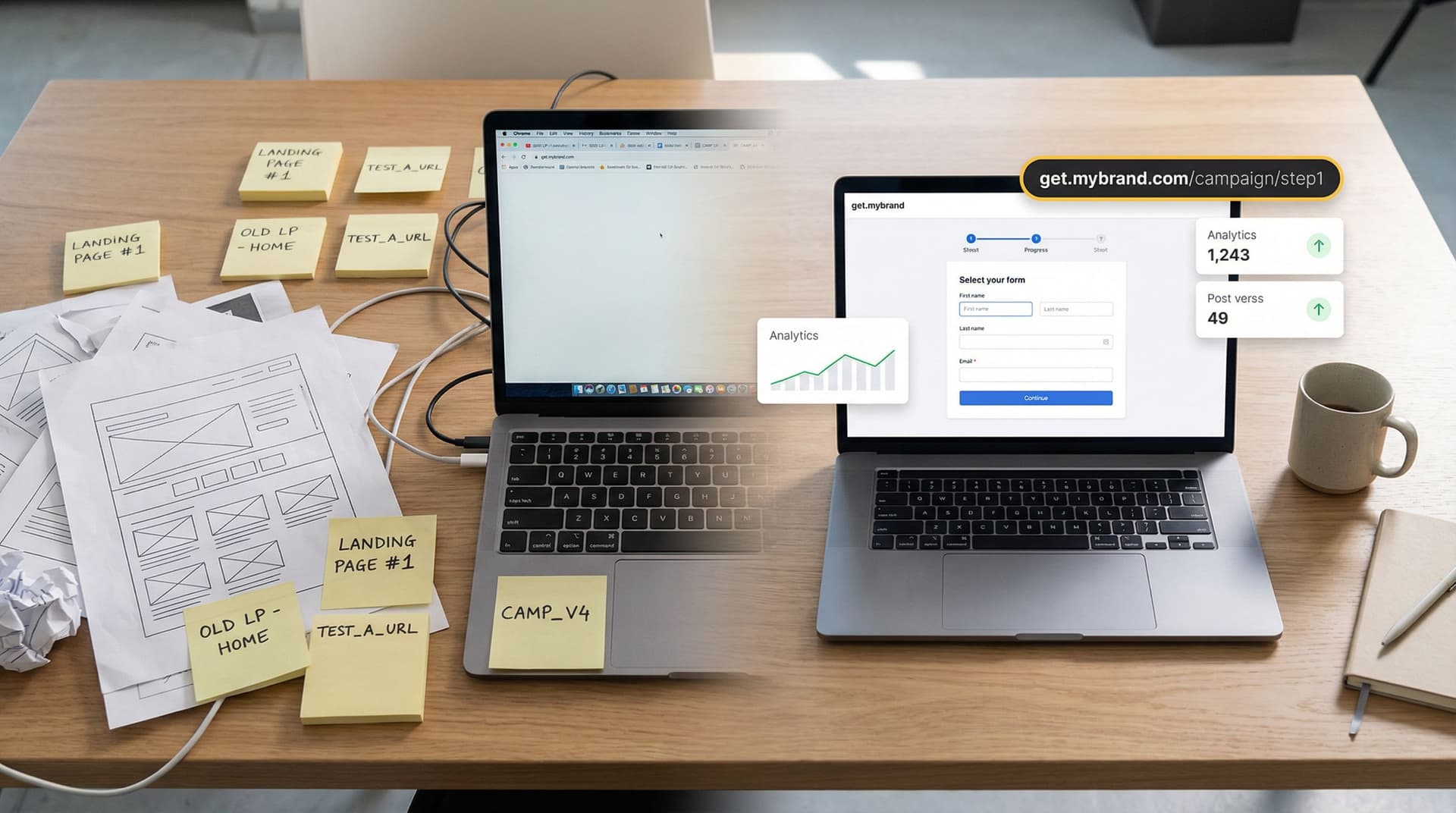
URL-First Campaigns: Using Custom Links to A/B Test Channels, Audiences, and Offers Without New Landing Pages
analytics
custom URLs

URL-First Campaigns: Using Custom Links to A/B Test Channels, Audiences, and Offers Without New Landing Pages

URL-First Campaigns: Using Custom Links to A/B Test Channels, Audiences, and Offers Without New Landing Pages Marketing teams are under constant pressure to launch more experiments: new channels, fresh offers, different audiences. But there’s a bottleneck that never seems to go away: “We’d love to test that… but we need a landing page first.” Design has to mock it up. Engineering has to wire it. Analytics has to tag it. Legal might even want a look. By the time the page is live, the moment has passed—or the team has moved on. URL-first campaigns flip that script. Instead of starting with a page, you start with a lin

Charlie Clark
Charlie Clark
Forms as Quiet CRMs: Capturing Relationship Signals Without Forcing Full Signups
custom URLs
Google Sheets

Forms as Quiet CRMs: Capturing Relationship Signals Without Forcing Full Signups

Forms as Quiet CRMs: Capturing Relationship Signals Without Forcing Full Signups Traditional CRMs expect a lot from people upfront. “Create an account.” “Pick a password.” “Fill in your company, role, budget, timeline, phone number…” Meanwhile, the person on the other side is just trying to do something simple: Get a question answered. Download a resource. See if your product is even relevant. That gap—between what your systems want and what your users are ready to give—is where forms can quietly become your best CR

Charlie Clark
Charlie Clark
Form-First Launches: Using Ezpa.ge + Google Sheets to Validate New Ideas in a Weekend
themes
custom URLs

Form-First Launches: Using Ezpa.ge + Google Sheets to Validate New Ideas in a Weekend

You don’t need a full product to test a new idea. You don’t even need a landing page. You need a form, a spreadsheet, and a clear question: “Is anyone willing to raise their hand for this?” That’s the promise of a form-first launch—using a simple form as the front door for a new idea, and a spreadsheet as the brain behind it. With Ezpa.ge and Google Sheets, you can go from “hmm, maybe…” to real signals from real people in a single weekend

Charlie Clark
Charlie Clark
Forms as On-Ramps, Not Dead Ends: Designing Submission Flows That Feed Your Growth Stack
customization
custom URLs

Forms as On-Ramps, Not Dead Ends: Designing Submission Flows That Feed Your Growth Stack

Most teams treat the form submit button like a finish line. You obsess over completion rate, tweak field labels, maybe A/B test the headline—and once someone hits Submit, the story effectively ends. Data lands in a spreadsheet or CRM, a few people get notified, and the user is dumped on a generic "Thanks" page. But the submit button doesn’t have to be the end of anything. It can be the on-ramp into your entire growth engine: routing leads, triggering playbooks, enriching data, and guiding users to their next meaningful ste

Charlie Clark
Charlie Clark
From Form Link to Full Funnel: Tracking Every Touchpoint Without a Developer
analytics
custom URLs

From Form Link to Full Funnel: Tracking Every Touchpoint Without a Developer

You finally shipped the form. The link is in your ads, your email footer, your partner docs, maybe even a QR code at an event. Submissions are rolling in. And then the questions start: Which campaign is actually working? Are these leads from LinkedIn or from that podcast mention? How many people clicked but never finished? What happens after they submit—do they convert, churn, or disappear? If you don’t have a clean way to answer those questions, your “funnel” is really just a form and a hunch. The good news: you don’t need a developer, a CDP, or a six-month analytics project to track your funnel end to

Charlie Clark
Charlie Clark
Multi-Brand, One Form System: Managing Themes, URLs, and Logic Across Complex Portfolios
themes
custom URLs

Multi-Brand, One Form System: Managing Themes, URLs, and Logic Across Complex Portfolios

When you’re responsible for forms across multiple brands, regions, and product lines, the work stops being “design a nice form” and starts being “run a form platform.” Marketing wants campaigns launched yesterday. Ops needs consistent data. Legal needs the right disclosures per region. Brand teams want each line to feel distinct—but your tech stack can’t explode every time a new logo shows up. That’s where a multi-brand, one form system pays off: a way to manage themes, URLs, and logic centrally while still giving each brand its own voice. This article walks through how to design that system with Ezpa.ge as the backbone—so you can ship faster, stay on-brand, and keep your data clean, even when your portfolio gets comple

Charlie Clark
Charlie Clark
Branded in a Click: Building URL Naming Systems That Scale Across Hundreds of Forms
efficiency
custom URLs

Branded in a Click: Building URL Naming Systems That Scale Across Hundreds of Forms

Custom URLs feel small—until you have a hundred forms, three teams, and no idea which link is which. If you’ve ever: Slapped -final or -new on the end of a form URL Sent the wrong link to a partner or customer Duplicated a form and forgotten which version is live …you’ve felt the pain of not having a URL naming system. For a handful of forms, you can get away with chaos. But once you’re managing dozens or hundreds of forms across campaigns, products, and regions, your URLs are your infrastructur

Charlie Clark
Charlie Clark
From Link to Landing: Designing Custom URL Flows That Actually Get Your Forms Opened
custom URLs
engagement

From Link to Landing: Designing Custom URL Flows That Actually Get Your Forms Opened

From Link to Landing: Designing Custom URL Flows That Actually Get Your Forms Opened Custom URLs aren’t just a “nice touch” for your forms. They’re the front door. Before anyone sees your beautifully themed Ezpa.ge form, your smart field logic, or your real-time Google Sheets syncing, they see a link. That link either feels trustworthy, relevant, and worth a tap—or it doesn’t. This post is about everything that happens between sharing a link and someone actually landing on (and starting) your for

Charlie Clark
Charlie Clark
Custom URLs in 2024: Pioneering New Strategies for Engagement and Branding
custom URLs
brand trust

Custom URLs in 2024: Pioneering New Strategies for Engagement and Branding

As we navigate the ever-evolving terrain of online engagement, the tools we use to connect with our audience must adapt and innovate. One such tool that has seen a resurgence in both utility and creativity is the custom URL. Once merely a means to direct traffic, custom URLs have transformed into powerful instruments of branding and engagement. This article delves into the significance of custom URLs and explores pioneering strategies for leveraging them in 2024. Why Custom URLs Matter Custom URLs are more than just a string of characters leading to a webpage; they are a reflection of your brand's identity and a strategic asset for user engagement

Charlie Clark
Charlie Clark
Building Trust through Secure Form Custom URLs: Best Practices
custom URLs
brand trust

Building Trust through Secure Form Custom URLs: Best Practices

In our increasingly connected environment, where data privacy and security concerns are at the forefront of users' minds, building trust with your audience is more critical than ever. One often overlooked aspect of this trust-building process is the use of secure form custom URLs. At Ezpa.ge, we recognize the importance of creating forms that not only look stunning but are also secure and reliable. Let's delve into why secure custom URLs matter and explore best practices to enhance trust and confidence with your audience. Why Secure Form Custom URLs Matter When users interact with online forms, they are entrusting you with their personal information

Charlie Clark
Charlie Clark
AI-Optimized Custom URLs: The New Frontier in Form Design
AI
custom URLs

AI-Optimized Custom URLs: The New Frontier in Form Design

In the rapidly evolving realm of online interactions, standing out is no longer just about having a sleek design or a responsive layout. It’s about creating a seamless, intuitive experience that starts from the very first click. This is where AI-optimized custom URLs come into play, particularly in the realm of form design. As businesses and individuals strive to enhance user engagement and conversion rates, custom URLs have emerged as a vital tool in the form designer's toolkit. Why Custom URLs Matter Custom URLs are more than just a vanity feature—they are an essential component of branding and user experience. A well-crafted URL can communicate professionalism, build trust, and improve click-through rates

Charlie Clark
Charlie Clark
Custom URLs as Growth Hackers: Driving Efficiency and Engagement in Form Design
efficiency
custom URLs

Custom URLs as Growth Hackers: Driving Efficiency and Engagement in Form Design

Creating engaging and efficient forms is an art, and custom URLs are the unsung heroes of this craft. At first glance, they may seem like just a small detail in the vast world of form design, but their impact is profound. Custom URLs can transform how users interact with your forms, significantly boosting both efficiency and engagement. Let’s delve into why custom URLs are essential and how you can harness their power effectively. Why Custom URLs Matter Custom URLs are more than just a fancy feature—they are a strategic tool for brand reinforcement, user trust, and streamlined user experiences. Enhancing Brand Recognition A well-crafted URL is like a digital handshake, offering a first impression of your bran

Charlie Clark
Charlie Clark
Crafting Memorable Digital Experiences: The Magic of Custom URLs in Form Design
custom URLs
engagement

Crafting Memorable Digital Experiences: The Magic of Custom URLs in Form Design

The art of form design has evolved far beyond simple data collection. Today, creating a form goes hand in hand with crafting a memorable digital experience. One of the lesser-known yet powerful tools at a form designer's disposal is the use of custom URLs. These personalized links can transform how users interact with your forms, enhancing both engagement and brand consistency. Why Custom URLs Matter Custom URLs are much more than just a string of characters. They act as a direct line between your audience and the form itself, providing a seamless entry point into your digital ecosystem

Charlie Clark
Charlie Clark
Optimizing Form Distribution: The Role of Custom URLs in Digital Strategy
custom URLs
digital marketing

Optimizing Form Distribution: The Role of Custom URLs in Digital Strategy

In an era where online interactions define business success, the ease and effectiveness of data collection often shape strategic decisions. For businesses and organizations, forms are crucial touchpoints in understanding and engaging with audiences. However, the utility of these forms hinges significantly on how well they are distributed and accessed by users. This is where the strategic use of custom URLs becomes a game-changer. Why Custom URLs Matter Custom URLs are more than just user-friendly links; they are powerful tools that can significantly impact the reach and effectiveness of your online forms. By creating personalized, memorable links, businesses can enhance their branding efforts and drive better engagement

Charlie Clark
Charlie Clark
Advanced Custom URL Strategies: Elevating Your Form's Reach and Engagement
custom URLs
engagement

Advanced Custom URL Strategies: Elevating Your Form's Reach and Engagement

In the realm of online forms, the URL can often be an underestimated asset. However, as any seasoned marketer will tell you, the URL is more than just a web address—it's a gateway to enhanced visibility, engagement, and conversion. For users of Ezpa.ge, understanding how to harness the power of custom URLs can significantly elevate the performance of your forms. Let’s delve into the why and how of advanced custom URL strategies. The Importance of Custom URLs Why does a URL matter? At its core, a custom URL is your form's first impression. It's the line of text that invites users to click, interact, and engage

Charlie Clark
Charlie Clark
Custom URLs as Branding Assets: Transforming Form Interaction Through Innovation
custom URLs
brand trust

Custom URLs as Branding Assets: Transforming Form Interaction Through Innovation

In an era where online presence defines brand identity, every touchpoint matters. Whether it’s a website, social media handle, or a simple form, the way you present your brand to the world speaks volumes. Among these elements, the humble form URL often gets overlooked. However, by transforming your form's URL into a branding asset, you can significantly enhance your brand's visibility and engagement. This post delves into the power of custom URLs and how they can act as a catalyst for innovation in form interaction. The Importance of Custom URLs Why should you care about custom URLs? The answer lies in the control and branding power they offer

Charlie Clark
Charlie Clark
Harnessing AI for Custom URL Innovations in Form Design
AI
custom URLs

Harnessing AI for Custom URL Innovations in Form Design

In the ever-evolving realm of form design, custom URLs have emerged as a vital tool for enhancing user experience and brand identity. With the advent of artificial intelligence, the potential for innovation in this space has grown exponentially. But why should you care about custom URLs, and how can AI elevate their effectiveness in your form design? Let's delve into the intricacies of this topic and explore actionable insights that can transform your approach. Why Custom URLs Matter Custom URLs offer more than just aesthetic appeal; they serve as a bridge between functionality and brand identity

Charlie Clark
Charlie Clark
Enhancing Form Security: Best Practices for Custom URL Integrity
custom URLs
brand trust

Enhancing Form Security: Best Practices for Custom URL Integrity

Creating beautiful, functional forms is a key part of many online interactions, from gathering feedback to capturing lead information. But amidst all the design and functionality considerations, security remains paramount. When you’re crafting forms with custom URLs, ensuring their integrity is crucial to protect sensitive data and maintain user trust. Let’s explore why this topic is critical for anyone using forms and how you can implement best practices to secure your forms. Why URL Integrity Matters Custom URLs are more than just a branding tool. They're a gateway to your forms and, by extension, to the data users entrust to you

Charlie Clark
Charlie Clark
Seamless Form Sharing: Innovating with Custom URL Techniques
custom URLs
integration

Seamless Form Sharing: Innovating with Custom URL Techniques

In a world where efficient communication is the backbone of successful interactions, the art of form sharing has become more critical than ever. Whether you're a business collecting customer feedback, an educator gathering student information, or a marketer seeking insights, the ability to share forms seamlessly can significantly enhance your workflow. Here at Ezpa.ge, we are committed to unraveling the potential of form sharing, focusing on the innovative use of custom URL techniques. The Significance of Custom URLs Custom URLs are more than just vanity links; they are powerful tools that can elevate your form-sharing strategy

Charlie Clark
Charlie Clark
Unlocking the Magic of Custom URLs: Making Your Forms Truly Your Own
custom URLs
engagement

Unlocking the Magic of Custom URLs: Making Your Forms Truly Your Own

Creating a form may seem like a straightforward task: you drag, drop, type, and voilà, your form is ready to be shared. But what if you could add a personal touch that transforms your form from generic to memorable? This is where custom URLs come into play. Custom URLs are more than just a string of characters; they are a powerful tool that can make your forms stand out, promote brand consistency, and enhance user trust. Let's delve into why custom URLs matter and how you can harness their full potential. Why Custom URLs Matter Custom URLs are not just a cosmetic upgrade; they play a significant role in how your audience perceives your forms. Here’s why they are essential: Brand Recognition: A custom URL reinforces your brand identity

Charlie Clark
Charlie Clark
Custom URLs: A Gateway to Enhanced Interaction and Conversion
custom URLs
engagement

Custom URLs: A Gateway to Enhanced Interaction and Conversion

When it comes to creating forms that not only capture data but also engage users, the details matter. One such detail, often overlooked but immensely powerful, is the use of custom URLs. Custom URLs serve as a gateway to enhance interaction and boost conversion rates, transforming a simple link into a strategic tool. This blog post will delve into the significance of custom URLs, their benefits, and how they can be harnessed effectively. The Importance of Custom URLs At first glance, a URL might seem like a mundane string of characters. However, the right URL can be a game-changer. A custom URL isn't just about aesthetics or branding; it plays a crucial role in user experience, trust-building, and ultimately, conversion optimization

Charlie Clark
Charlie Clark
Custom URL Strategies: Enhancing Digital Marketing through Form Innovation
custom URLs
brand trust

Custom URL Strategies: Enhancing Digital Marketing through Form Innovation

In the ever-evolving realm of digital marketing, standing out requires more than just eye-catching designs and persuasive copy. As marketers strive to create meaningful connections with their audiences, every detail counts—including the URLs directing users to their content. Custom URLs, particularly for forms, are revolutionizing how businesses interact with their audience, optimizing both user experience and brand recognition. This article delves into the significance of custom URLs and how they can be leveraged to enhance your marketing strategy through innovative forms.

Charlie Clark
Charlie Clark
Revolutionizing Brand Identity: Custom URL Strategies for Modern Marketing
custom URLs
brand trust

Revolutionizing Brand Identity: Custom URL Strategies for Modern Marketing

In a world where brand identity is more crucial than ever, businesses are constantly seeking innovative ways to stand out in the crowded marketplace. One of the most underrated tools in modern marketing is the custom URL. This simple, yet powerful strategy can significantly enhance a brand's image, improve customer engagement, and drive conversions. In this post, we’ll delve into why custom URLs matter and how they can be leveraged effectively. Why Custom URLs Matter Custom URLs are more than just a digital address; they are an extension of your brand. A thoughtfully crafted URL can communicate your brand's message, enhance its visibility, and create a consistent experience across all platforms

Charlie Clark
Charlie Clark
Custom URL Strategies: Transforming Form Branding and Accessibility
custom URLs
integration

Custom URL Strategies: Transforming Form Branding and Accessibility

In a world where first impressions are often made online, the details matter. When it comes to online forms, a customized URL can be a powerful tool to enhance branding, improve accessibility, and build trust with your audience. As online interactions continue to grow, understanding how to leverage custom URLs can make your forms stand out and engage your audience more effectively. Why Custom URLs Matter Custom URLs are more than just a cosmetic change. They are a strategic element of your online presence. A well-crafted URL can: Enhance Brand Recognition: A URL that includes your brand or a relevant keyword can make your form instantly recognizable

Charlie Clark
Charlie Clark
Exploring the Role of Custom URLs in Building Brand Trust
custom URLs
brand trust

Exploring the Role of Custom URLs in Building Brand Trust

In an era where consumers are more informed than ever and have access to a plethora of options, building brand trust is crucial for any business striving to stand out. Trust is the currency of the modern market, and one often overlooked yet powerful way to foster this trust is through the use of custom URLs. This seemingly small detail can significantly impact how your audience perceives your brand. Why Custom URLs Matter Custom URLs play a pivotal role in creating a cohesive brand identity. They not only contribute to a seamless online experience but also instill a sense of professionalism and credibility

Charlie Clark
Charlie Clark
Unveiling Advanced Custom URL Techniques for Brand Growth
custom URLs
integration

Unveiling Advanced Custom URL Techniques for Brand Growth

In a world where first impressions can make or break a connection, businesses strive to create memorable interactions with their audience. One often-overlooked aspect of this is the humble URL. While URLs may seem like mere digital addresses, they can be powerful tools for brand growth when used strategically. This article will explore advanced techniques for customizing URLs, providing actionable insights and tangible benefits for your brand. Why Custom URLs Matter for Your Brand A custom URL is more than just a link—it's a representation of your brand's identity on the web

Charlie Clark
Charlie Clark
Custom URLs Unleashed: Innovative Ways to Personalize Form Links
efficiency
custom URLs

Custom URLs Unleashed: Innovative Ways to Personalize Form Links

In the realm of digital interactivity, the humble URL is often overlooked as a mere string of characters connecting users to the vast ocean of online content. However, for those of us who create and share forms, URLs are powerful tools that can significantly enhance user engagement and brand presence. Custom URLs offer a unique opportunity to personalize the ways we share our forms, creating memorable and meaningful experiences for our audience. This article delves into the innovative ways you can personalize form links using custom URLs, uncovering the benefits and actionable strategies to implement them effectively. Why Custom URLs Matter Custom URLs transform the mundane into the memorable

Charlie Clark
Charlie Clark
Creating Stunning Forms: Unveiling the Latest Features of Ezpa.ge
mobile optimization
custom URLs

Creating Stunning Forms: Unveiling the Latest Features of Ezpa.ge

In an era where first impressions can make or break engagement, the importance of well-designed forms cannot be overstated. Whether you're a small business owner, a marketer, or a community organizer, forms are a crucial touchpoint with your audience. They are the gateway to gathering valuable information, facilitating seamless communication, and driving meaningful interactions. This is where Ezpa.ge steps in, revolutionizing how we think about form creation with its latest feature-packed updates. Why Stunning Forms Matter The first interaction a user has with your form can determine whether they complete it or abandon it halfway. A visually appealing, intuitive form not only enhances user experience but also boosts conversion rate

Charlie Clark
Charlie Clark
Breaking Barriers: Innovative Strategies for Enhancing Form Visibility
efficiency
custom URLs

Breaking Barriers: Innovative Strategies for Enhancing Form Visibility

Forms are the unsung heroes of online interactions. From capturing email signups to collecting feedback, they serve as the conduit for critical data between users and businesses. However, creating a stunning form is just the start; ensuring it gets seen, interacted with, and completed is where the real challenge lies. Enhancing form visibility is vital for maximizing engagement and conversion rates, ultimately benefiting your business or project. Forms that languish unseen are missed opportunities. They could be gathering valuable insights, building your email list, or even driving sales. By breaking barriers to form visibility, you unlock these potential benefits, making your forms work harder and smarter for you

Charlie Clark
Charlie Clark
The Influence of Custom URLs on Form Interaction and Engagement
user experience
custom URLs

The Influence of Custom URLs on Form Interaction and Engagement

Creating engaging and effective forms is essential for gathering valuable data, whether for market research, customer feedback, or event registration. While the design and functionality of a form are crucial, the often-overlooked aspect of a custom URL can significantly impact form interaction and engagement. Custom URLs not only enhance the credibility of your form but also contribute to a seamless user experience, which can lead to higher response rates and better data quality. Why Custom URLs Matter Custom URLs are more than just aesthetic enhancements. They play a critical role in how users perceive and interact with your forms

Charlie Clark
Charlie Clark
The Future of Form Design: Integrating AI with Custom URL Strategies
customization
AI

The Future of Form Design: Integrating AI with Custom URL Strategies

In an era where personalization and efficiency are paramount, the intersection of AI and form design represents a transformative leap forward. As businesses continuously seek to enhance user experience and optimize data collection, leveraging AI alongside custom URL strategies offers unprecedented opportunities. Why This Topic Matters Forms are the backbone of data collection. They help capture crucial information, drive customer engagement, and facilitate user interaction. However, traditional forms often fall short in personalization and adaptability. Enter AI and custom URL strategies: a powerful duo that can reshape how we think about form design

Charlie Clark
Charlie Clark