Posts tagged with "security"

13 posts

Ops-Ready Form Logs: Lightweight Auditing, Version History, and Change Management for Busy Teams
analytics
data-driven insights

Ops-Ready Form Logs: Lightweight Auditing, Version History, and Change Management for Busy Teams

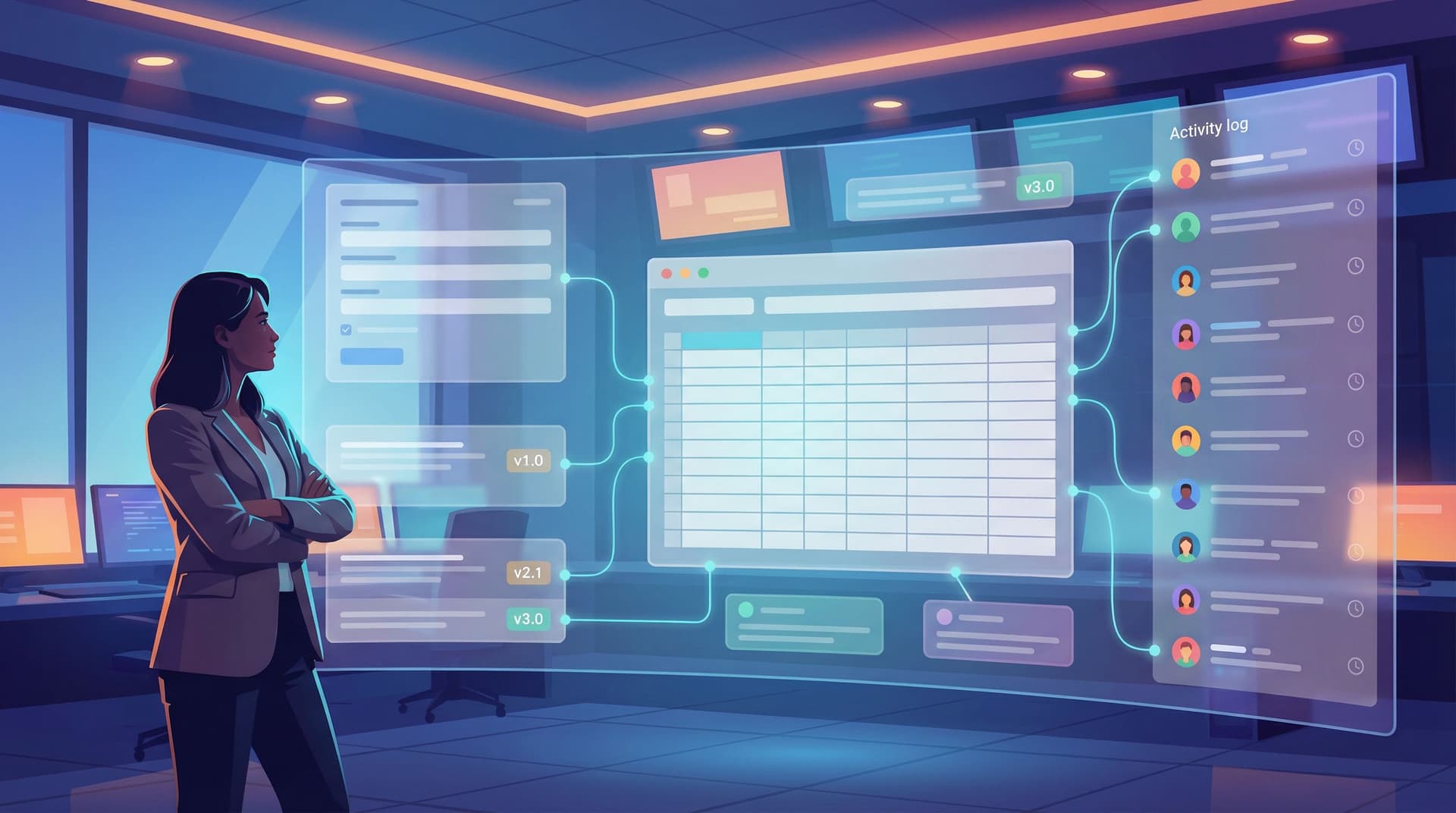
If your team relies on forms to run sales, CX, hiring, or partner operations, you already know the pattern: Someone tweaks a field “just for this campaign.” Legal drops in new consent language. A PM removes a question to “reduce friction.” A teammate quietly clones the form to try a new flow. Two weeks later, you’re asking: Who changed this field? Why are we getting fewer high-intent leads? Which version of the form is live right now? Where did this bad data come from? That’s what ops-ready form logs solve. Form logs turn your forms from fragile one-off artifacts into traceable, auditable systems. Instead of guessing who changed what, when, and why, you have a clear record—and a safe way to roll back mistak

Charlie Clark
Charlie Clark
Form Data Governance for Small Teams: Lightweight Security, Access, and Retention Rules That Scale
real-time collaboration
Google Sheets

Form Data Governance for Small Teams: Lightweight Security, Access, and Retention Rules That Scale

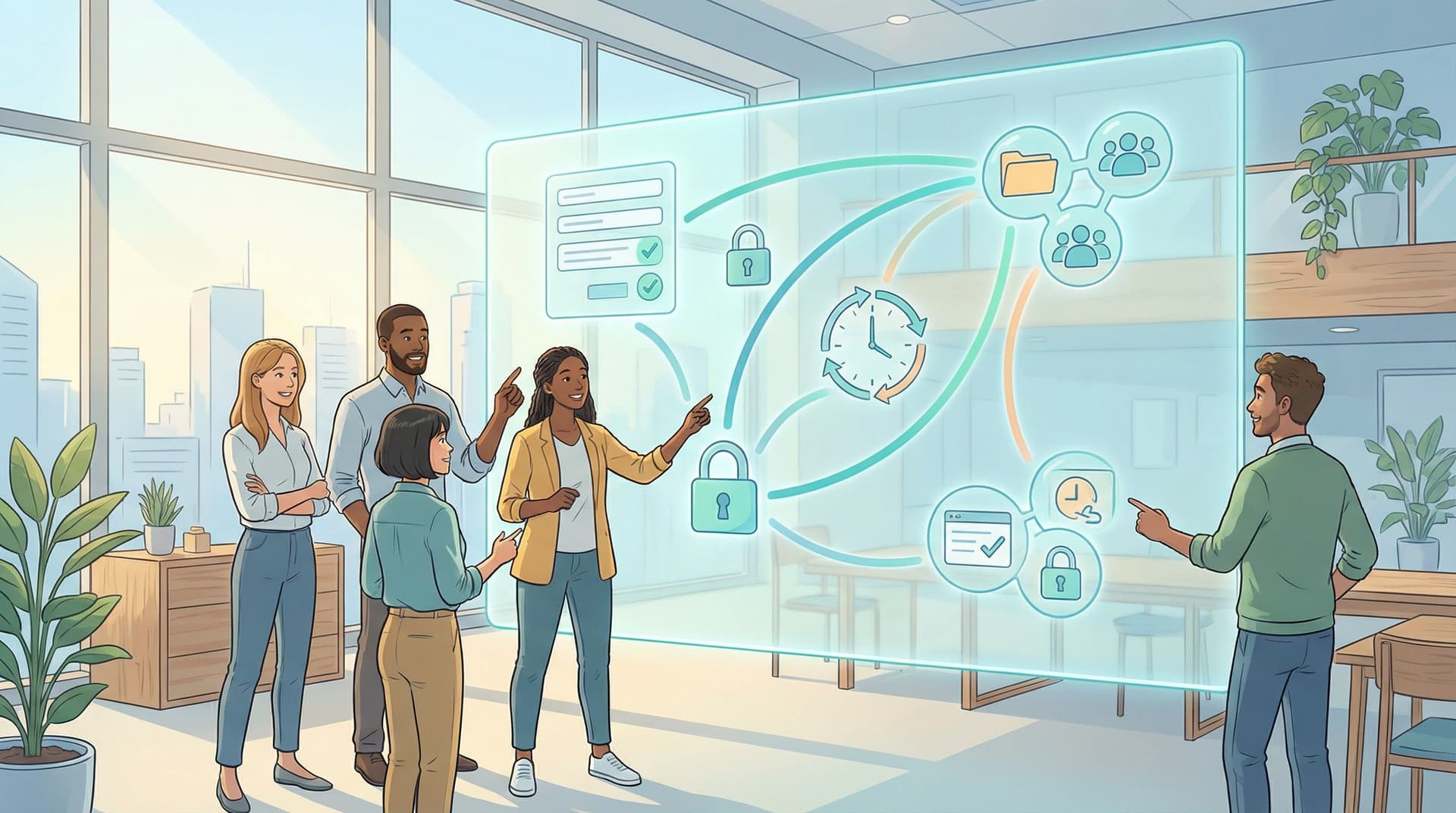
If your team ships a new form every time someone has an idea, you’re doing something right. But there’s a quiet cost to that speed: Who actually has access to the responses? How long are you keeping that data—and where does it live? What happens when someone leaves the company? Are you accidentally storing sensitive data you never meant to collect? That’s what form data governance is about: deciding, on purpose, how form data is collected, accessed, stored, and eventually deleted—without turning every new form into a legal project. For small teams, the goal isn’t a 40‑page poli

Charlie Clark
Charlie Clark
Quiet Security: Subtle UX Patterns That Signal Safety Without Killing Conversion
user experience
brand trust

Quiet Security: Subtle UX Patterns That Signal Safety Without Killing Conversion

Most people don’t abandon a form because of one big red flag. They leave because of a feeling. A tiny moment of doubt: “Is this safe?” A flicker of friction: “Why do they need that?” A vague unease: “This looks… off.” Quiet security is about designing forms so those doubts never get a foothold—without turning the experience into a wall of warnings, legalese, and scary security jargon. For teams using tools like Ezpa.ge to spin up forms quickly, this balance is cruci

Charlie Clark
Charlie Clark
Security Signals in 3 Seconds: Visual and Copy Patterns That Earn User Trust Before the First Field
user experience
brand trust

Security Signals in 3 Seconds: Visual and Copy Patterns That Earn User Trust Before the First Field

Your form has about three seconds to answer one question in a user’s mind: “Is it safe to give you my information?” If the answer feels even slightly like “I’m not sure,” people bounce. They don’t scroll. They don’t start the first field. They just close the tab and move on. Those first three seconds are governed by signals, not logic. Users aren’t reading your privacy policy or inspecting your DNS records. They’re scanning for visual and copy cues that say: This is legitimate. This is professional. This is safe enough for what I’m about to share

Charlie Clark
Charlie Clark

Ops-Friendly Form Security: Practical Guardrails That Don’t Slow Teams Down

Ops-Friendly Form Security: Practical Guardrails That Don’t Slow Teams Down Security and speed have a reputation for being enemies. Ops teams are asked to “lock things down.” Marketing, product, and CX teams are told to “move faster.” Forms sit right in the middle of that tension: they’re often the front door for sensitive data, but they’re also the quickest way for teams to launch something new without waiting on engineering. If you’re running operations, security, or RevOps, you’ve probably lived this: A team spins up a new form for a campaign without telling you. Data lands in a random spreadsheet with no access controls. Someone pastes an API key, a password, or PHI into a free-text fiel

Charlie Clark
Charlie Clark
Security Without Paranoia: Low-Friction Patterns for Collecting Sensitive Data in Forms
user experience
brand trust

Security Without Paranoia: Low-Friction Patterns for Collecting Sensitive Data in Forms

Security Without Paranoia: Low-Friction Patterns for Collecting Sensitive Data in Forms Collecting sensitive data is a trust exercise. Credit card details, government IDs, health history, salary information—these aren’t just “fields.” They’re moments where a person decides whether your form (and by extension, your brand) is worth the risk. The tension: Security and compliance teams want strong controls, explicit consent, and airtight logs. Growth and product teams want short forms, high completion rates, and smooth flows. Users want to get something done quickly without feeling like they’re stepping into a legal contract or a phishing attempt. This post is about operating in that middle space: security without parano

Charlie Clark
Charlie Clark
High-Stakes, Low Friction: Designing Verification and Consent Flows That Users Actually Finish
user experience
brand trust

High-Stakes, Low Friction: Designing Verification and Consent Flows That Users Actually Finish

When your form is asking for real commitment—identity verification, financial authorization, medical consent, legal agreements—the bar changes. People are no longer casually “signing up.” They’re: Sharing sensitive data Accepting risk (real or perceived) Trying not to make a mistake they’ll regret That’s the paradox of high‑stakes flows: You need rigor (clear consent, accurate verification, auditability). Users need ease (clarity, confidence, and speed). If you lean too hard into rigor, you get abandonment. If you lean too hard into ease, you get compliance problems, bad data, or angry stakeholder

Charlie Clark
Charlie Clark
Form UX for High-Stakes Data: Designing Calm, Trustworthy Experiences for Payments, Healthcare, and Hiring
brand trust
security

Form UX for High-Stakes Data: Designing Calm, Trustworthy Experiences for Payments, Healthcare, and Hiring

When a form asks for something trivial—like a newsletter signup—users might tolerate a bit of friction. When a form asks for credit cards, medical history, or employment details, the stakes change completely. People bring fear, skepticism, and a mental checklist of “Is this safe?” to every field. A single rough edge—an odd error message, a misaligned label, a sketchy URL—can be enough for them to close the tab and never come back. Designing forms for these high‑stakes moments isn’t just about conversi

Charlie Clark
Charlie Clark
The Role of Security in Form Design: Building User Confidence and Data Integrity
user experience
data-driven insights

The Role of Security in Form Design: Building User Confidence and Data Integrity

In a world where online interactions are the norm, the security of data collected through web forms is paramount. Whether you're gathering email addresses for a newsletter or sensitive personal information for a survey, ensuring the security of that data is crucial to maintaining trust and integrity. But why does this matter so much, and how can you make sure your forms are secure? This article will delve into the importance of security in form design and provide practical steps to enhance the safety of your data collection processes. Why Security in Form Design Matters Building Trust with Users When users fill out a form, they are entrusting you with their personal information

Charlie Clark
Charlie Clark
Building Trust through Secure Form Custom URLs: Best Practices
custom URLs
brand trust

Building Trust through Secure Form Custom URLs: Best Practices

In our increasingly connected environment, where data privacy and security concerns are at the forefront of users' minds, building trust with your audience is more critical than ever. One often overlooked aspect of this trust-building process is the use of secure form custom URLs. At Ezpa.ge, we recognize the importance of creating forms that not only look stunning but are also secure and reliable. Let's delve into why secure custom URLs matter and explore best practices to enhance trust and confidence with your audience. Why Secure Form Custom URLs Matter When users interact with online forms, they are entrusting you with their personal information

Charlie Clark
Charlie Clark
Exploring the Intersection of Personalization and Security in Form Design
user experience
personalization

Exploring the Intersection of Personalization and Security in Form Design

In an era where user experience and data protection are paramount, creating forms that balance personalization with security has become essential. As businesses and organizations strive to make their forms more engaging and user-friendly, understanding how to personalize them without compromising security is crucial. Why Personalization and Security Matter Personalization in form design enhances user engagement by making the interaction more relevant and meaningful. When users feel that a form speaks directly to their needs or preferences, they are more likely to complete it. However, with personalization comes the responsibility of protecting user data

Charlie Clark
Charlie Clark
The Future of Form Security: Integrating Biometrics for Enhanced User Safety
user experience
future trends

The Future of Form Security: Integrating Biometrics for Enhanced User Safety

As cyber threats continue to evolve, the need for advanced form security has never been more crucial. With the surge in data breaches and identity theft, ensuring the safety of user information has become a top priority for businesses and individuals alike. Incorporating biometrics into form security presents a promising solution for enhancing user safety and protecting sensitive data. This article explores the future of form security through biometrics, outlining the benefits and practical steps for implementation. Why Biometrics Matter Biometrics offer a unique and powerful way to secure online forms by using physiological and behavioral characteristics to verify identities

Charlie Clark
Charlie Clark
Enhancing Form Security: Best Practices for Custom URL Integrity
custom URLs
brand trust

Enhancing Form Security: Best Practices for Custom URL Integrity

Creating beautiful, functional forms is a key part of many online interactions, from gathering feedback to capturing lead information. But amidst all the design and functionality considerations, security remains paramount. When you’re crafting forms with custom URLs, ensuring their integrity is crucial to protect sensitive data and maintain user trust. Let’s explore why this topic is critical for anyone using forms and how you can implement best practices to secure your forms. Why URL Integrity Matters Custom URLs are more than just a branding tool. They're a gateway to your forms and, by extension, to the data users entrust to you

Charlie Clark
Charlie Clark